
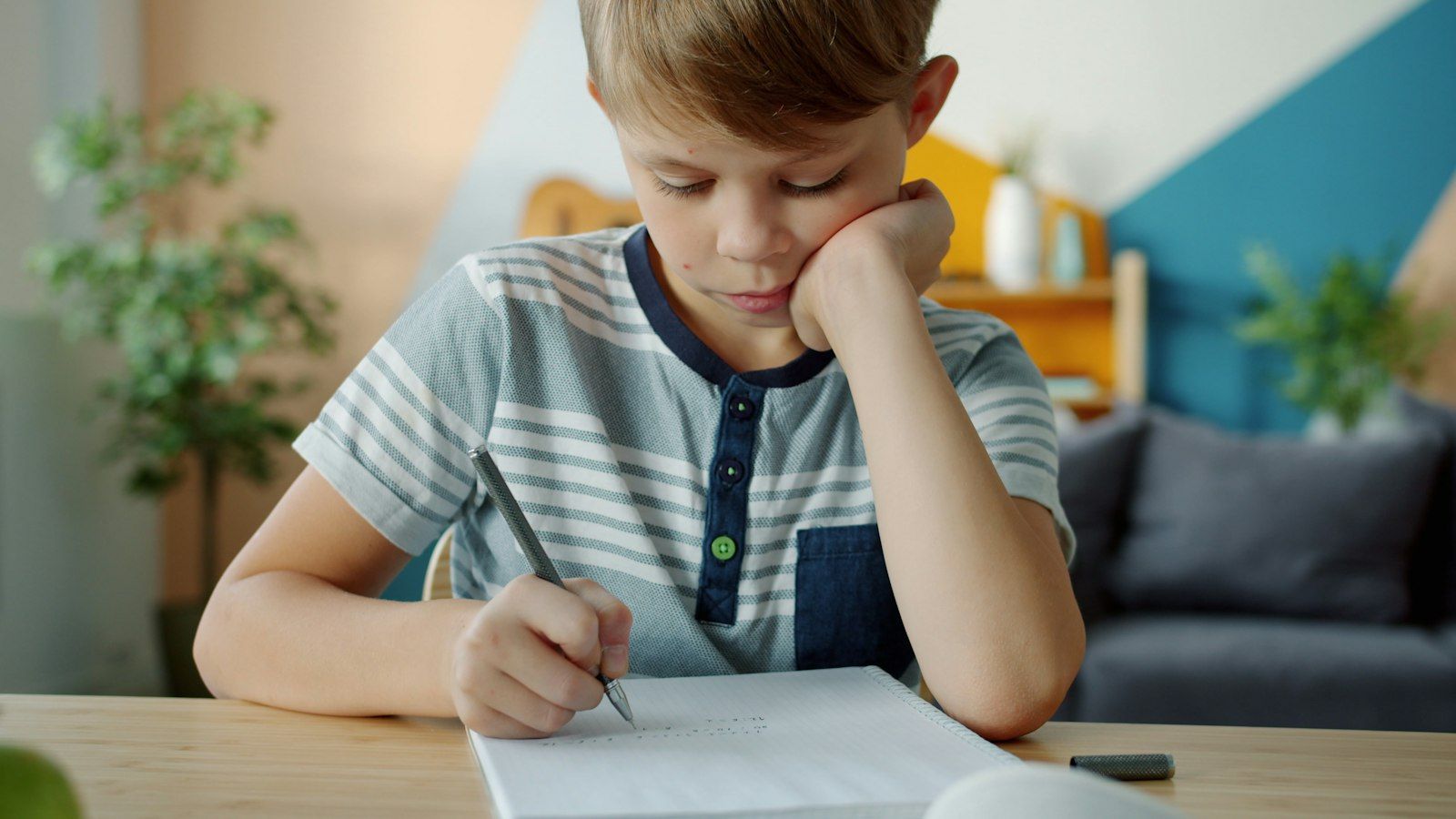
Wondering if your child might have ADHD?
Maybe you've noticed that they have trouble staying focused, are constantly moving, forget instructions, lose things, or become overwhelmed by tasks that seem simple for other children. Or perhaps their teacher has started raising concerns about attention, organization, or behaviour at school.
These can be signs of ADHD, but they can also occur for many other reasons.
As a Registered Psychotherapist who works with children and teens, I often remind parents that ADHD is about more than simply being distracted or energetic. Children with ADHD can experience challenges with attention, impulse control, organization, emotional regulation, and executive functioning.
What Is ADHD?
ADHD stands for Attention-Deficit/Hyperactivity Disorder. It is a neurodevelopmental condition that can affect attention, activity level, and impulse control. ADHD doesn't look the same in every child — some struggle primarily with attention and organization, others with hyperactivity and impulsivity, and some with a combination.
It is also important to remember that children naturally have moments when they are distracted, restless, forgetful, or impulsive. The question is whether these behaviours are persistent, occur across different settings, and meaningfully affect the child's everyday functioning.
For more information on ADHD, CADDAC (Centre for ADHD Awareness, Canada) is a trusted national resource.
What Are the Signs of ADHD in Children?
Common signs can include difficulties with:
- Paying attention and following through on instructions
- Staying organized and managing time
- Remembering responsibilities
- Controlling impulses and sitting still when expected
- Waiting their turn
- Completing tasks
- Managing frustration and regulating emotions
Not every child with ADHD will experience all of these challenges.
Signs of Inattention in Children
Have trouble staying focused
They may start an activity with enthusiasm but quickly become distracted or move on to something else. This is especially noticeable when a task is repetitive, lengthy, or not particularly interesting to them.
Seem like they aren't listening
Parents sometimes describe this as feeling like their child is "in their own world." A child may appear to hear an instruction but have difficulty following through with it.
Have trouble completing tasks
Your child may start homework, get distracted, find something else to do, return to the homework, and repeat the cycle. The challenge may be with sustaining attention and managing the steps required to complete the task, not laziness.
Frequently lose things
Children with ADHD may have difficulty keeping track of school supplies, homework, water bottles, clothing, sports equipment, and personal belongings.
Struggle with organization
A child may struggle to: break large tasks into steps, prioritize responsibilities, estimate how long something will take, keep track of deadlines, or maintain an organized workspace.
Signs of Hyperactivity and Impulsivity
Constant movement
A child may fidget, get up frequently, tap objects, or seem to need almost constant movement.
Difficulty sitting still
They may find it particularly challenging to remain seated during meals, schoolwork, or other activities that require sustained attention.
Acting before thinking
Impulsivity can mean responding quickly without considering what might happen next. This may lead to difficulties at school, at home, or with peers.
What Does ADHD Look Like at School?
Teachers may notice ADHD-related challenges before parents do, particularly when classroom routines place significant demands on attention and organization. A child might miss instructions, forget homework, become distracted during independent work, rush through tasks, or struggle with transitions.
It's important not to assume that school difficulties automatically mean ADHD. Learning differences, anxiety, sleep difficulties, stress, and other factors can also affect attention and academic performance.
What Does ADHD Look Like at Home?
At home, ADHD may show up as difficulty completing chores, forgetting routines, needing constant reminders, emotional outbursts, trouble transitioning between activities, difficulty getting ready in the morning, homework battles, or difficulty winding down at bedtime.
Parents can sometimes feel as though they are repeating the same instruction over and over. That can be exhausting for everyone.
ADHD and Emotional Regulation
Some children with ADHD have difficulty managing strong emotions. They may become frustrated quickly, have intense reactions to disappointment, or need more time to calm down after becoming upset.
Therapy can help children learn to identify emotions, understand their triggers, and develop strategies for responding to frustration more effectively. Our article on how to help a child regulate emotions explores this in more depth.
ADHD and Self-Esteem
Children who regularly hear that they are not listening, not trying, forgetful, disorganized, or careless can begin to internalize these messages. This is why ADHD support shouldn't focus exclusively on productivity or behaviour — a child's sense of competence matters too.
ADHD vs Anxiety
ADHD and anxiety can sometimes look similar. Both can involve difficulty concentrating, restlessness, irritability, trouble sleeping, avoidance, and difficulty completing tasks. This is one reason it is important not to diagnose ADHD based on a checklist alone.
Does My Child Have ADHD?
Attention and behaviour can be affected by many factors, including anxiety, stress, sleep, learning differences, changes at home, and other mental health concerns. A qualified professional can help you understand the broader picture and determine whether further assessment may be appropriate.
Can Therapy Help Children With ADHD?
Therapy does not 'cure' ADHD. Instead, it can help children develop skills and strategies for navigating the challenges ADHD may create. Depending on the child, therapy may focus on emotional regulation, coping skills, organization, executive functioning, self-esteem, social skills, problem-solving, and understanding ADHD.
The goal is not to make a child behave like someone who doesn't have ADHD. It's to help them understand how their brain works and develop strategies that support the life they want to build.
How I Work With Children Experiencing ADHD
At Little Waves Therapy, I take an individualized approach. Two children with ADHD can have very different strengths, challenges, and personalities. I draw from evidence-based therapeutic approaches and adapt sessions to the child's developmental level, goals, and communication style.
Learn more about working together on our services page, or contact us to ask questions and explore next steps.