
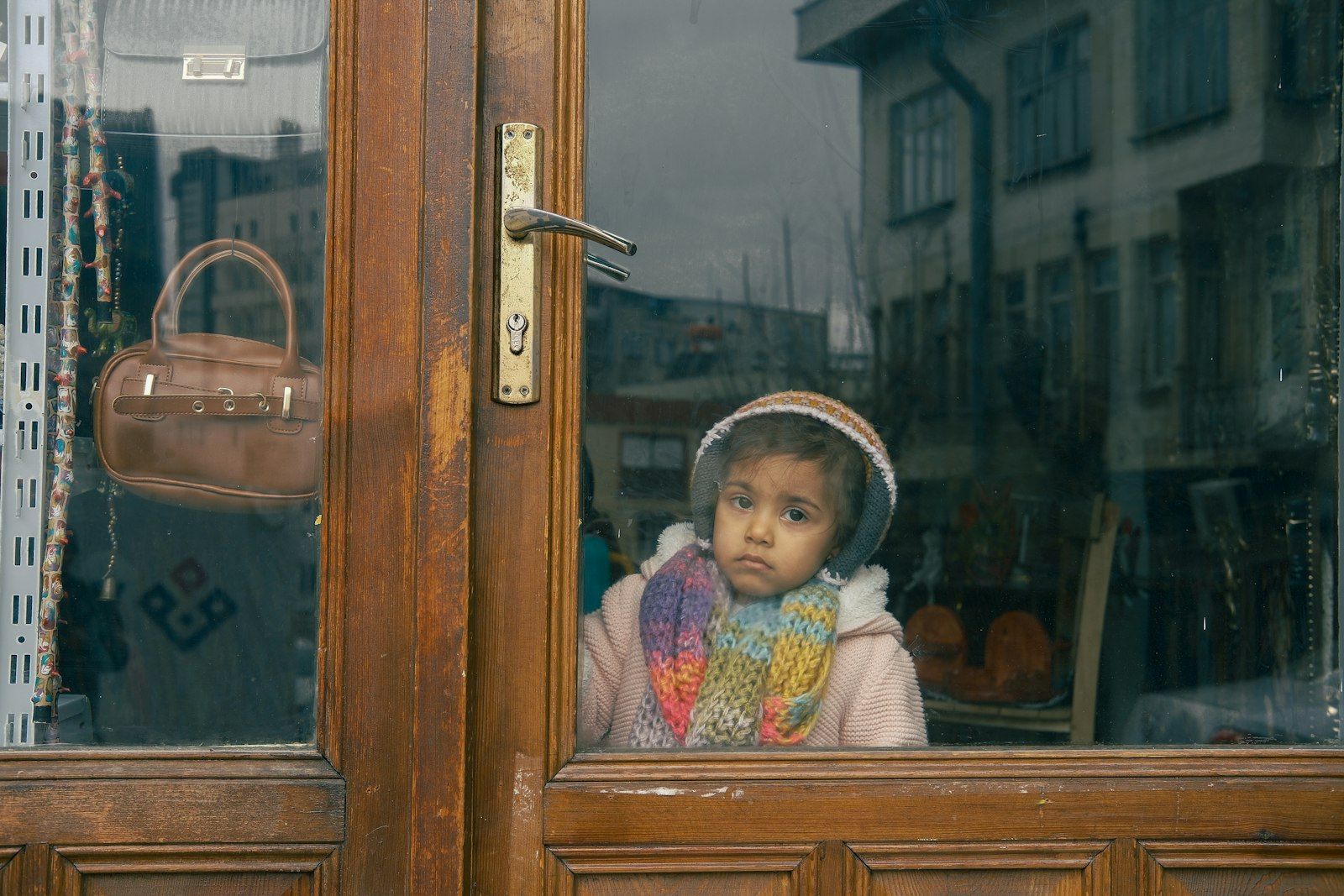
Many children feel shy or nervous in unfamiliar social situations. Meeting new people, joining a group, speaking in class, or attending a birthday party can feel uncomfortable, especially when a child is still developing their confidence.
But what if your child regularly avoids social situations, worries about what other people think, or becomes extremely distressed at the thought of speaking in front of others?
Social anxiety in children can affect friendships, school participation, extracurricular activities, and self-confidence. Understanding what your child may be experiencing can help you offer support without adding pressure.
What Is Social Anxiety in Children?
Social anxiety involves significant worry about social situations, particularly situations where a child feels they may be judged, embarrassed, rejected, or negatively evaluated by others. A child may want to make friends and participate in activities but feel overwhelmed by the possibility of making a mistake or being noticed.
Social anxiety is not the same as simply being quiet. Some children are naturally reserved and feel comfortable once they get to know people. The concern is when fear or worry repeatedly limits a child's ability to participate in experiences they want or need to take part in.
What Are the Signs of Social Anxiety in Children?
Social anxiety can look different depending on a child's age, temperament, and circumstances. Common signs may include:
- Avoiding birthday parties or group activities
- Worrying excessively about what other children think
- Being afraid to answer questions in class
- Struggling to speak to unfamiliar adults or peers
- Worrying about saying something embarrassing
- Becoming upset before social events
- Repeatedly asking whether other children will like them
- Experiencing physical discomfort before social situations
- Replaying social interactions and worrying about mistakes afterward
Is My Child Shy or Struggling With Social Anxiety?
A shy child may need more time to warm up in unfamiliar situations but become comfortable once they feel safe. A child struggling with social anxiety may experience more persistent worry about embarrassment, rejection, or being judged — avoiding situations even when they would like to participate.
Rather than focusing only on whether your child talks a lot or has many friends, consider whether social worries are limiting their experiences or causing significant distress.
Why Do Children Experience Social Anxiety?
There is no single explanation. Contributing factors may include temperament and sensitivity, previous experiences of embarrassment or rejection, bullying or difficulties with peers, pressure to perform well, fear of making mistakes, changes in school or social groups, and low confidence.
How to Help a Child With Social Anxiety
1. Avoid Labelling Your Child as Shy
Instead, focus on the situation. You might say: 'It can take you a little while to feel comfortable around new people.' This acknowledges their experience without suggesting they cannot become more confident.
2. Validate Their Feelings
If your child is worried about a party or school activity, listen before offering advice.
"I can see that you're worried about what the other kids might think. Let's talk about what feels hardest."
3. Practise Social Situations in Manageable Steps
Rather than expecting your child to suddenly feel comfortable in a large group, break the experience into smaller steps. A child who finds birthday parties difficult might begin by meeting one familiar friend before attending a larger gathering.
Other steps might include practising how to introduce themselves, preparing a question to ask another child, or arriving early to become familiar with the environment. The goal is gradual confidence-building.
4. Focus on Effort Rather Than Performance
Children who worry about social situations may feel that every interaction has to go perfectly. Praise attempts to participate, even when they feel uncomfortable.
"I noticed you tried talking to someone new today. That took courage."
5. Help Them Challenge Unhelpful Predictions
A child may think 'Everyone will laugh at me' or 'Nobody will want to talk to me.' Rather than simply telling them they are wrong, explore the thought together:
- "What makes you think that might happen?"
- "Has there been a time when it went differently?"
- "Does every conversation have to go perfectly?"
Social Anxiety at School
School can present many socially demanding situations, including group work, presentations, lunch breaks, class discussions, and making friends. A child may understand the schoolwork but feel distressed about having to participate in front of others.
If social worries are affecting attendance, classroom participation, or friendships, consider speaking with the school about ways to support your child. Support should help children build confidence while avoiding unnecessary pressure.
When Might a Child Benefit From Professional Support?
Consider seeking support if social worries are regularly interfering with friendships, school participation, extracurricular activities, family outings, or your child's confidence and enjoyment of life.
You do not need to wait until your child avoids every social situation. Support may be useful when you notice a recurring pattern and are unsure how to help. Resources like Anxiety Canada also offer parent-friendly tools.
How Can Child Therapy Help With Social Anxiety?
Child therapy can provide a supportive environment for children to explore social worries, build self-awareness, and develop coping strategies. Depending on the child's needs, therapy may include conversation, creative activities, role-playing, mindfulness, or practical strategies for approaching difficult situations.
Visit our services page to learn how we work with children and teens, or contact us to explore whether therapy is the right fit.