
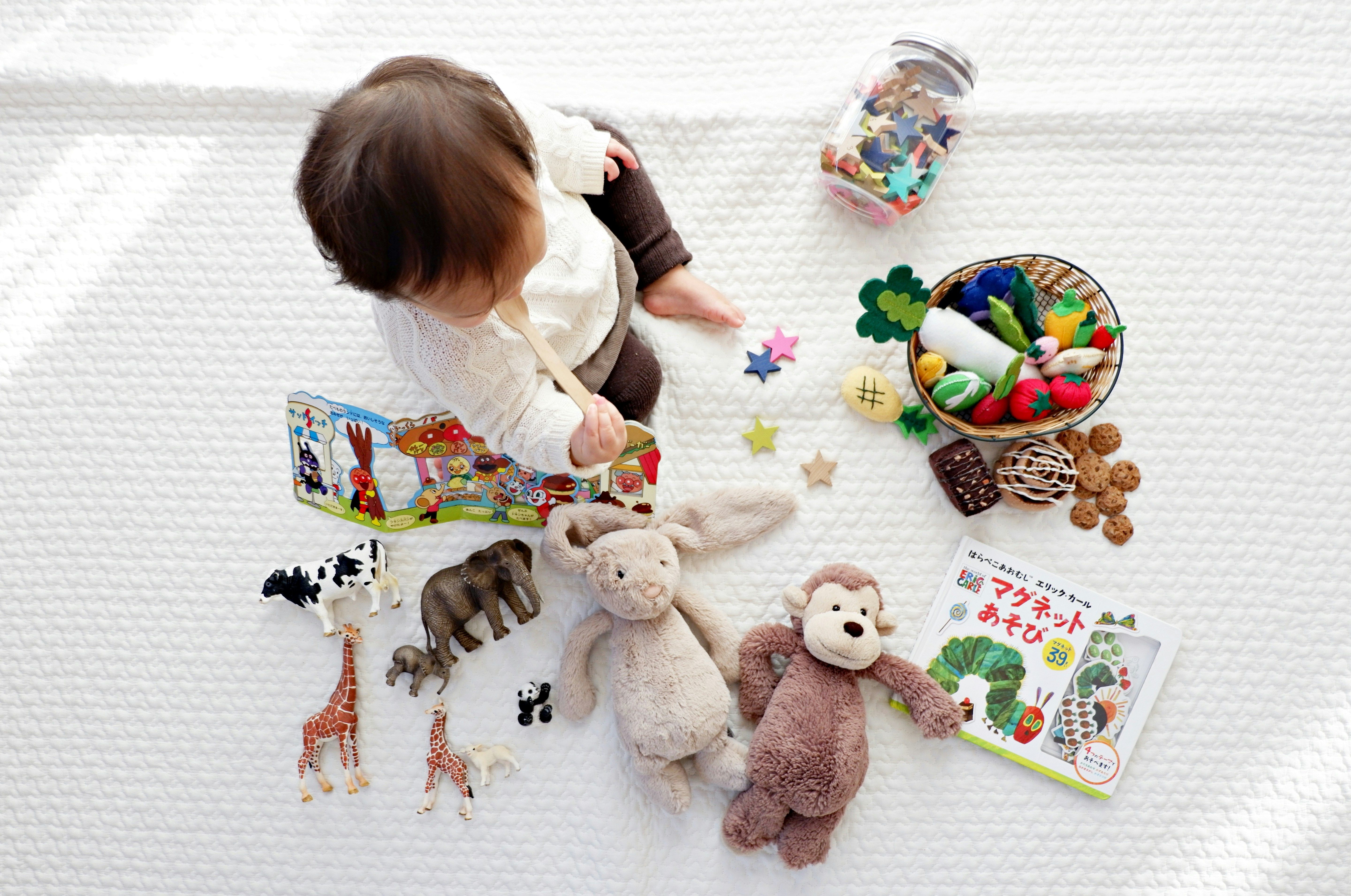
If you’ve ever watched a child work through something hard — a loss, a fear, a big change — you’ve probably noticed that they rarely sit down and talk about it the way adults do. Instead, they play. They build and knock down towers. They act out scenes with tiny figurines. They draw, paint, and create stories. This isn’t avoidance — it’s how children process the world. Play therapy is a form of psychotherapy that works with this natural language of childhood to help children heal.
What Is Play Therapy?
Play therapy is a structured, theoretically based approach to therapy that uses play as its primary medium of communication and healing. Rather than expecting children to articulate complex emotions verbally, a trained therapist creates a safe environment where children can express themselves through toys, art, sand, puppets, role play, and other age-appropriate materials.
Play therapy is practised by registered therapists with specialized training. The Canadian Association for Play Therapy sets standards for play therapy practice and training across Canada, and its members adhere to ethical guidelines and continuing education requirements.
There are different models of play therapy. Child-Centred Play Therapy (CCPT) follows the child’s lead and trusts in their innate capacity to heal. Directive play therapy involves the therapist guiding specific activities to address particular issues. Many therapists use an integrative approach, drawing from multiple models based on the child’s needs.
How Does Play Therapy Work?
Children often lack the words to describe complex emotions like grief, fear, shame, or confusion. But they can show you. A child who is afraid of being abandoned might play out scenes where a parent leaves and comes back, repeatedly. A child processing trauma might recreate the event through figurines, giving themselves the power to change the ending. A child struggling with anger might use clay or a sand tray to safely release what’s built up inside.
Through this symbolic play, children externalize their inner experiences in a way that feels safe. The therapist observes, reflects, and responds in ways that help the child feel understood, build self-awareness, and develop healthier emotional responses over time.
What Happens During a Play Therapy Session?
A play therapy session typically runs 45 to 50 minutes and takes place in a specially equipped playroom. The room is filled with carefully selected materials: a sand tray, art supplies, puppets, dolls, miniature figures, building blocks, dress-up items, and more. Each toy is chosen for its therapeutic potential — its ability to help children express specific themes like family, conflict, nurturing, or power.
In child-centred sessions, the child leads: they choose what to play with, how to play, and what to create. The therapist reflects feelings and observations without judgment or direction. In more directive sessions, the therapist might introduce specific activities — like drawing their worries or building a family scene in the sand tray — to explore particular themes.
Sessions are confidential, though therapists do share general progress with parents (without disclosing specific play content) and always involve parents when safety concerns arise.
Who Can Benefit from Play Therapy?
Play therapy is most commonly used with children between ages 3 and 12, though it can also be effective with adolescents and adults who benefit from expressive, non-verbal approaches. It is particularly helpful for children experiencing:
- Anxiety, worry, or phobias
- Grief and loss
- Trauma or abuse
- Divorce or family change
- Social difficulties or friendship struggles
- School refusal
- Emotional regulation challenges or frequent meltdowns
- ADHD, autism spectrum, or sensory processing differences
- Low self-esteem or lack of confidence
- Adjustment to a new sibling, school, or home
How Is Play Therapy Different from Talk Therapy?
Traditional talk therapy relies on language to process experiences — which is well-suited to adults who have developed the vocabulary and cognitive capacity to reflect on their inner lives. Young children simply don’t have this yet. Their brains are still developing the prefrontal cortex, the region responsible for abstract thinking and emotional articulation.
Play is the developmental equivalent of talk therapy for children. It accesses the same emotional material — fears, memories, relationships, needs — through a medium that is natural and accessible to them. Rather than asking a six-year-old to “tell me how that made you feel,” play therapy lets them show you.
Is Play Therapy “Just Playing Around”?
It might look like play — because it is. But that’s exactly the point, and it’s far from casual. The playroom is carefully designed. The therapist is trained to observe symbolic themes, track emotional patterns, and respond therapeutically in the moment. The work happening inside that room can be just as deep and transformative as any adult therapy session — it’s simply delivered in the language children understand best.
The research on play therapy outcomes is compelling. According to the Association for Play Therapy, meta-analyses consistently show that play therapy produces significant positive effects across a range of emotional, behavioural, and social difficulties in children.
What’s the Role of Parents in Play Therapy?
Parents are an essential part of the process — even when they’re not in the room. Most play therapists schedule regular check-ins with parents to share general progress, discuss what’s being observed, and provide guidance on how to support the child at home. Some models, like Filial Therapy, actively train parents to conduct therapeutic play sessions with their own children.
You may not know exactly what your child plays with or says in session — that privacy is important for the child’s sense of safety — but you will always be kept informed of their progress and included in decisions about their care.
Play Therapy at Little Waves Therapy
At Little Waves Therapy, we believe every child deserves a space where they feel safe, understood, and free to be themselves. Play therapy is one of the tools we use to create that space — tailored to each child’s unique needs, age, and situation. You can learn more about our services or reach out to our team to book a free consultation and find out whether play therapy might be right for your child.
How Long Does Play Therapy Take?
The length of play therapy varies widely depending on the child’s age, the nature of the challenge, and how they respond to treatment. Some children make significant progress in 8–12 sessions. Others benefit from longer-term support, particularly when working through trauma or complex family dynamics. Your therapist will discuss progress and timelines with you throughout the process.